
Dental Implants Near Me West Valley City UT
Missing teeth can affect more than just your smile—they impact your confidence, eating habits, and overall oral health. If you’re exploring tooth replacement options in West Valley City, dental implants offer a permanent solution that looks, feels, and functions like your natural teeth.
Unlike temporary fixes, dental implants provide a foundation that can last decades with proper care. They prevent bone loss, maintain facial structure, and allow you to eat your favorite foods without worry. However, understanding your options and what the process involves is crucial before making this important investment in your oral health.
This comprehensive guide will walk you through everything you need to know about dental implants in West Valley City UT from the basics of how they work to what you can expect during treatment and recovery.
What Are Dental Implants?
Dental implants are titanium posts surgically placed into your jawbone to replace missing tooth roots. Once the implant integrates with your bone through a process called osseointegration, it provides a stable foundation for a crown, bridge, or denture.
The implant system consists of three main components:
- The Implant Post: A small titanium screw that serves as an artificial tooth root. Titanium is biocompatible, meaning your body accepts it naturally without rejection.
- The Abutment: A connector piece that attaches to the top of the implant post and holds the replacement tooth in place.
- The Crown: The visible portion that looks and functions like your natural tooth, custom-made to match your existing teeth in color, shape, and size.
- Types of Dental Implants Available
- Single Tooth Implants: Replace individual missing teeth without affecting adjacent healthy teeth.
- Multiple Tooth Implants: Use several implants to support a bridge when multiple consecutive teeth are missing.
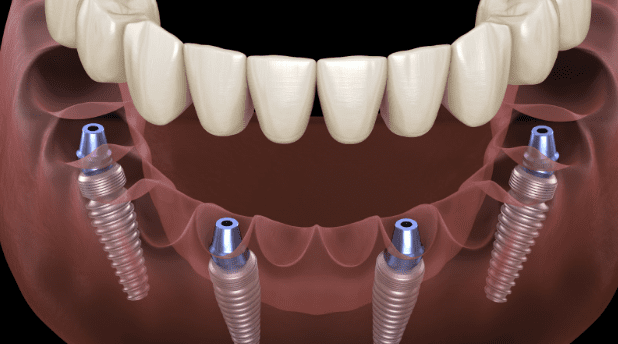
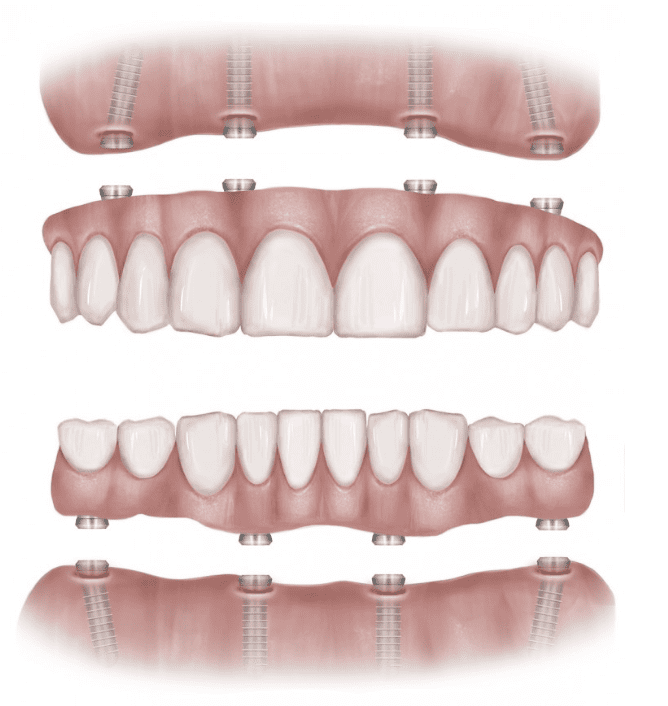
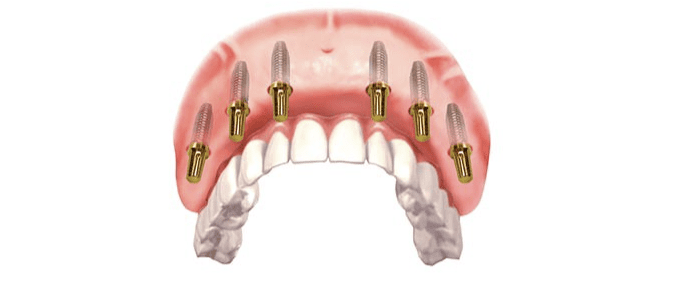
- All-on-4 or All-on-6: Full arch replacements that use four or six strategically placed implants to support an entire upper or lower set of teeth.
- Mini Dental Implants: Smaller diameter implants used when there’s limited bone width or for stabilizing loose dentures.
Are Dental Implants Better Than Dentures or Bridges?
Each tooth replacement option has advantages, but dental implants offer several benefits that traditional solutions cannot match.
Dental Implants vs. Traditional Dentures
- Stability and Comfort: Implants eliminate the slipping, clicking, and discomfort often associated with removable dentures. You’ll speak and eat with confidence.
- Bone Preservation: When you lose a tooth, the underlying jawbone begins to deteriorate. Implants stimulate the bone like natural tooth roots, preventing this bone loss.
- No Dietary Restrictions: Enjoy corn on the cob, apples, and steak without worrying about your teeth shifting or falling out.
- Improved Oral Hygiene: Brush and floss implants just like natural teeth—no special cleaning solutions or nightly removal required.
- Longevity: While dentures typically need replacement every 5-10 years, implants can last 25 years or more with proper care.
- Dental Implants vs. Bridges
- Preserve Healthy Teeth: Traditional bridges require grinding down adjacent healthy teeth to create crowns that support the replacement tooth. Implants don’t affect neighboring teeth.
- Individual Cleaning: You can floss around implants normally, while bridges require special floss threaders or water flossers to clean underneath.
- Durability: Bridges typically last 10-15 years, while implants offer much longer-term solutions.
- Bone Health: Bridges don’t prevent bone loss in the area of the missing tooth, but implants do.
The Dental Implant Process: A Step-by-Step Guide
Understanding what to expect can help ease any anxiety about the implant process. While treatment plans vary based on individual needs, here’s the typical timeline:
Initial Consultation and Planning
Your dentist will evaluate your oral health, take X-rays or CT scans, and discuss your treatment goals. This appointment determines if you’re a good candidate for implants and helps create your personalized treatment plan.
Factors that influence candidacy include:
- Sufficient bone density to support the implant
- Healthy gums free from periodontal disease
- Overall health status and healing ability
- Commitment to oral hygiene and regular dental visits
Preparatory Procedures (If Needed)
Some patients require additional procedures before implant placement:
- Tooth Extraction: If a damaged tooth needs removal, you may be able to have the implant placed immediately or may need to wait for healing.
- Bone Grafting: When jawbone density is insufficient, bone grafting can rebuild the area to support an implant. Healing typically takes 3-6 months.
- Sinus Lift: For upper back teeth, a sinus lift may be necessary to create adequate bone height.
Implant Placement Surgery
The surgical placement is typically done under local anesthesia, with sedation options available for anxious patients. Your surgeon will:
- Make a small incision in the gum tissue
- Create a precise hole in the jawbone
- Place the titanium implant post
- Close the gum tissue with stitches
- Place a temporary healing cap
Most patients report minimal discomfort during the procedure and can return to work within a day or two.
Healing and Osseointegration
The implant needs time to fuse with your jawbone, a process that typically takes 3-6 months. During this period:
- Follow all post-operative care instructions
- Maintain excellent oral hygiene
- Avoid smoking, which can impair healing
- Attend follow-up appointments to monitor progress
Abutment Placement
Once osseointegration is complete, you’ll return for a minor procedure to place the abutment. This involves:
- Reopening the gum tissue over the implant
- Attaching the abutment to the implant post
- Taking impressions for your permanent crown
Healing from abutment placement typically takes 1-2 weeks.
Crown Placement
Your custom crown will be created in a dental laboratory to match your natural teeth perfectly. Once ready, your dentist will secure it to the abutment, completing your implant restoration.
How Much Do Dental Implants Cost in West Valley City?
Dental implant costs vary based on several factors, and while the initial investment may seem significant, implants often prove more cost-effective over time than alternatives that require frequent replacement.
Factors Affecting Cost
- Number of Implants Needed: Single implants cost less than full mouth restorations, but multiple implants may qualify for package pricing.
- Complexity of Your Case: Additional procedures like bone grafting or sinus lifts increase overall treatment costs.
- Type of Restoration: A single crown costs less than a bridge or full arch replacement.
- Geographic Location: West Valley City offers competitive pricing compared to larger metropolitan areas.
- Dental Practice and Technology: Practices with advanced equipment and experienced specialists may charge premium rates for superior outcomes.
Investment Ranges
While specific costs for dental implant service vary by practice and individual needs:
- Single dental implants typically range from $3,000-$5,000
- Multiple implants or full arch restorations may range from $15,000-$30,000 per arch
- Additional procedures like bone grafting add $300-$3,000 depending on complexity
Insurance and Financing Options
- Dental Insurance: Many plans now provide partial coverage for implants, typically covering 50% of the cost up to annual maximums.
- Medical Insurance: In some cases, medical insurance may cover implants if tooth loss resulted from accident or medical condition.
- Financing Plans: Many practices offer payment plans or work with third-party financing companies to make treatment more affordable.
- Health Savings Accounts: HSAs and FSAs can be used for implant treatment, providing tax advantages.
Caring for Your New Dental Implants
Proper care ensures your implants remain healthy and functional for decades. The good news is that caring for implants is very similar to caring for natural teeth.
Daily Oral Hygiene
- Brushing: Use a soft-bristled toothbrush twice daily with non-abrasive toothpaste. Electric toothbrushes can be particularly effective.
- Flossing: Clean around implants daily with regular floss or specialized implant floss. Water flossers provide excellent cleaning around the gum line.
- Antimicrobial Rinse: Your dentist may recommend a therapeutic mouthwash to reduce bacteria around the implant site.
Regular Dental Visits
Professional cleanings and examinations every 3-6 months help detect and prevent complications early. Your dental team will:
- Remove plaque and tartar buildup
- Check for signs of inflammation or infection
- Monitor the stability of your implants
- Take X-rays to assess bone levels
Lifestyle Considerations
Avoid Smoking: Tobacco use significantly increases the risk of implant failure and complications.
Protect Against Grinding: If you clench or grind your teeth, wear a nightguard to protect your implants.
Maintain Overall Health: Conditions like diabetes can affect implant success, so manage chronic health issues carefully.
Be Mindful of Hard Foods: While implants can handle most foods, avoid chewing ice, hard candy, or other extremely hard objects.
Signs to Watch For
Contact your dentist immediately if you experience:
- Persistent pain or discomfort
- Swelling or redness around the implant
- Loose or shifting implant crowns
- Changes in your bite
- Difficulty chewing
Why Choose Pinecrest Dental for Your Implants?
Selecting the right dental practice for your implant treatment is crucial for achieving optimal results. Pinecrest Dental offers several advantages for West Valley City patients seeking implant solutions.
Experienced Team
Our dental professionals have extensive training and experience in implant dentistry. We stay current with the latest techniques and technologies to provide the most effective treatments available.
Comprehensive Care
From initial consultation through final restoration, we provide all aspects of implant treatment under one roof. This coordinated approach ensures better communication, convenience, and treatment outcomes.
Advanced Technology
Our advanced diagnostic technology, including Digital X-Rays, Intraoral Cameras, Ultrasonics, and Bioceramic Root Canal Sealers, allows us to design your treatment plan with exceptional precision. With computer-guided surgery, we ensure highly accurate implant placement for the best possible outcomes.
Patient-Centered Approach
We understand that implant treatment is a significant decision. Our team takes time to explain your options, answer questions, and address concerns throughout the process.
Comfortable Environment
Our modern facility is designed with patient comfort in mind. We offer sedation options for anxious patients and strive to make every visit as pleasant as possible.
Quality Materials
We use only high-quality implant systems from reputable manufacturers, ensuring your restoration will be durable and biocompatible.
Ready to Restore Your Smile? Book a Consultation Today!
Don’t let missing teeth continue to impact your quality of life. Dental implants offer a permanent solution that can restore your confidence and oral health for years to come.
The first step toward your new smile is scheduling a consultation to discuss your specific needs and treatment options. During this appointment, we’ll evaluate your oral health, discuss your goals, and create a personalized treatment plan that fits your budget and timeline.
Contact Pinecrest Dental today to schedule your implant consultation. Our friendly team is ready to help you explore how dental implants can transform your smile and improve your life.