
Sedation Dentistry Near Me Taylorsville UT
For millions of Americans, the thought of a dental visit brings feelings of anxiety and fear, preventing them from getting the essential care they need. The sound of the drill, the bright lights, or simply the anticipation of discomfort can create such overwhelming stress that many people avoid dental appointments altogether. What if you could experience your dental treatment in a state of complete relaxation instead?
This guide is designed to introduce you to the transformative benefits of sedation dentistry. We will explore how it works, who can benefit, and how it can help you achieve a healthier smile without the stress. Whether you’re dealing with mild nervousness or severe dental phobia, sedation dentistry offers a pathway to the care you need in comfort and peace.
We will cover the different levels of sedation available, what to expect during a sedated appointment, and how our team at Pinecrest Dental ensures your safety and comfort every step of the way. By the end of this guide, you’ll have the knowledge and confidence to take that important first step toward anxiety-free dental care.
Understanding Dental Anxiety and Its Impact on Oral Health
What is Dental Phobia?
Dental anxiety exists on a spectrum, ranging from mild nervousness to a genuine phobia that can lead to complete avoidance of dental care. While it’s normal to feel some apprehension before a dental appointment, dental phobia involves intense fear that significantly interferes with your ability to receive necessary treatment. This fear often stems from past negative experiences, fear of pain, or feeling helpless and out of control in the dental chair.
The Cycle of Avoidance
When fear prevents you from attending regular dental check-ups, a dangerous cycle begins. Small problems that could have been easily treated during routine visits grow into more significant issues. A simple cavity becomes a painful infection requiring root canal treatment. Mild gum inflammation progresses to advanced periodontal disease. This avoidance pattern often leads to more extensive, time-consuming, and costly treatments down the road.
Physical and Emotional Symptoms
Dental anxiety manifests in various ways, and recognizing these symptoms validates your experience. Physical signs may include a racing heart, sweating, nausea, or difficulty breathing when thinking about dental treatment. Emotionally, you might experience feelings of panic, dread, or overwhelming worry days or weeks before an appointment. Some people even avoid scheduling appointments altogether, despite knowing they need care.
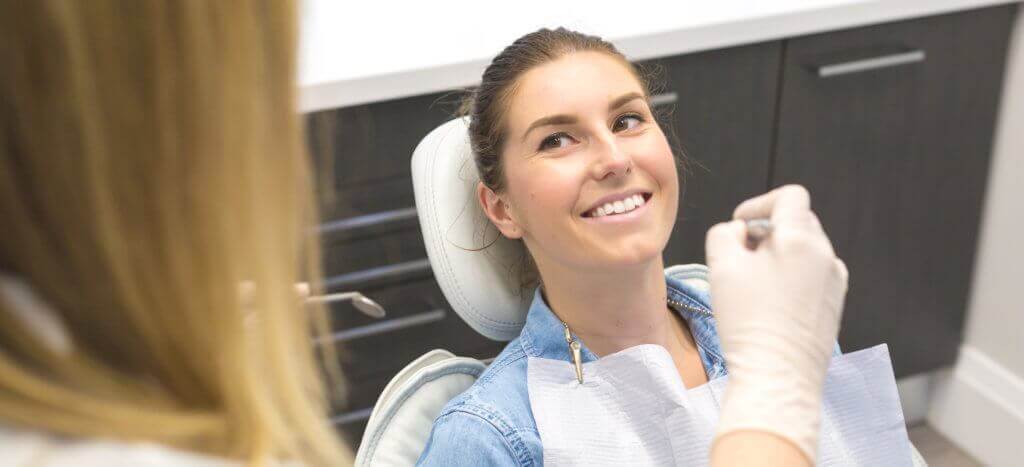
What is Sedation Dentistry? More Than Just “Sleep Dentistry”
Defining the Practice
Sedation dentistry uses safe, effective medications to help patients relax during dental procedures. Contrary to popular belief, it’s not always about being completely asleep. Most sedation techniques allow you to remain conscious and responsive while feeling deeply relaxed and comfortable. This approach transforms your dental experience from one of stress and anxiety into one of calm and ease.
The Different Levels of Sedation
Understanding the levels of sedation helps you make informed decisions about your care. Minimal sedation keeps you relaxed but fully awake and aware. Moderate sedation, sometimes called conscious sedation, may cause you to slur words and have little memory of the procedure afterward. Deep sedation brings you to the edge of consciousness, though you can still be awakened if necessary. Each level serves different needs and comfort preferences.
Who is a Candidate for Sedation?
Sedation dental treatment benefits various patients beyond those with severe anxiety. You might be an ideal candidate if you have a low pain threshold, a sensitive gag reflex that makes dental work difficult, or if you need extensive treatment that can be completed more comfortably in one visit. Children who have difficulty sitting still or adults with special needs also often benefit from sedation dentistry.
Types of Sedation Offered in Modern Dentistry
Nitrous Oxide (Laughing Gas)
Nitrous oxide represents the mildest form of sedation available. You inhale this colorless, odorless gas through a comfortable mask placed over your nose. Within minutes, you’ll feel a sense of calm and euphoria wash over you. The beauty of nitrous oxide lies in its quick onset and rapid elimination from your system. You’ll feel relaxed during treatment but can drive yourself home afterward.
Oral Conscious Sedation
Oral sedation involves taking a prescribed medication, typically about an hour before your appointment. This pill induces a deeper state of relaxation than nitrous oxide. While you remain conscious and can respond to questions, you’ll feel profoundly calm and may even doze off during treatment. Many patients remember little about their procedure afterward, which can be particularly beneficial for those with severe dental anxiety.
IV Sedation
Intravenous sedation delivers medication directly into your bloodstream through a small needle in your arm or hand. This method allows your dentist to adjust sedation levels throughout your procedure, ensuring optimal comfort. IV sedation produces deeper relaxation than oral methods while maintaining your ability to breathe independently and respond to instructions. Continuous monitoring ensures your safety throughout the entire process.
The Sedation Dentistry Appointment: A Step-by-Step Guide
The Initial Consultation
Your sedation dentistry journey begins with a thorough consultation where we review your medical history, current medications, and discuss your specific fears and concerns. This conversation helps us determine the most appropriate sedation method for your needs. We’ll explain each option, answer your questions, and create a personalized treatment plan that prioritizes your comfort and safety.
Preparing for Your Appointment
Proper preparation ensures your sedation appointment goes smoothly. Depending on your sedation type, you may need to fast for several hours before treatment. We’ll provide specific pre-appointment instructions, including what medications to take or avoid. Most importantly, you’ll need to arrange for a responsible adult to drive you to and from your appointment, as the effects of oral or IV sedation take time to fully wear off.
During and After the Procedure
During your sedated appointment, you’ll experience deep relaxation and comfort. Our team continuously monitors your vital signs and ensures you’re responding appropriately throughout treatment. After your procedure, you’ll rest in our recovery area until you’re alert and stable. We’ll provide detailed post-treatment instructions and ensure you’re safely released to your designated driver.

The Overlooked Benefits of Choosing Sedation
Accomplishing More in Fewer Visits
One significant advantage of sedation dental treatment service is the ability to complete multiple procedures or complex treatments in a single, longer appointment. When you’re deeply relaxed and comfortable, your dentist can work more efficiently without the need for frequent breaks. This approach saves you time, reduces the number of appointments needed, and minimizes the anxiety associated with multiple visits.
Controlling a Strong Gag Reflex
Many people struggle with a sensitive gag reflex that makes dental procedures uncomfortable or even impossible. Sedation naturally relaxes your body’s involuntary responses, including the gag reflex. This relaxation makes procedures more comfortable for you and allows your dentist to work more effectively, resulting in better treatment outcomes.
Creating Positive Future Experiences
Perhaps the most valuable benefit of sedation dentistry is its ability to transform your relationship with dental care. When you experience pain-free, comfortable treatment, you’re more likely to maintain regular dental visits. This positive experience helps break the cycle of dental anxiety and avoidance, leading to better long-term oral health.
Safety and Qualifications: What to Look for in a Provider
Specialized Training and Certification
Not all dentists are qualified to administer every type of sedation. Dentists offering moderate or IV sedation must complete advanced training and maintain current certifications. This specialized education ensures they understand proper medication dosages, patient monitoring techniques, and emergency procedures. Always verify your dentist’s qualifications and training before undergoing sedation.
Continuous Patient Monitoring
Patient safety during sedation requires sophisticated monitoring equipment and trained personnel. Your dental team should use pulse oximeters to monitor oxygen levels, blood pressure cuffs to track cardiovascular function, and other advanced equipment to ensure your vital signs remain stable throughout treatment. This continuous monitoring provides an extra layer of safety and peace of mind.
The Role of the Dental Team
Successful sedation dentistry requires a well-trained team working together seamlessly. Every team member should understand their role in patient care, from initial preparation through recovery. This coordinated approach ensures your safety and comfort from the moment you arrive until you’re safely home recovering.
Debunking Common Myths About Sedation Dentistry
Myth: “I will be completely unconscious”
Many people believe sedation dentistry means being completely unconscious, but this isn’t accurate for most types of sedation. With minimal and moderate sedation, you remain conscious and able to respond to instructions. Even with deeper sedation, you’re not under general anesthesia. The term “sleep dentistry” can be misleading, as you’re typically in a deeply relaxed state rather than truly asleep.
Myth: “Sedation is only for major surgery”
Sedation can enhance any dental procedure, from routine cleanings and fillings to more complex treatments like root canals or extractions. The goal is your comfort and peace of mind, regardless of the procedure’s complexity. Even simple treatments can benefit from sedation if you experience anxiety or have other conditions that make dental work challenging.
Myth: “It’s not safe”
When administered by properly trained and qualified professionals, sedation dentistry has an excellent safety record. The medications used have been refined over decades, and monitoring equipment ensures your vital signs remain stable throughout treatment. Serious complications are extremely rare when appropriate protocols are followed and patients are properly screened.

Pinecrest Dental: Your Partner for Comfortable Care in Taylorsville
Expertise and Advanced Training
Our dentists at Pinecrest Dental have completed extensive advanced training and hold current certifications to administer sedation safely and effectively. We stay current with the latest techniques and safety protocols, ensuring you receive the highest standard of care. Your well-being is our top priority, and our qualifications reflect our commitment to excellence.
A Patient-Centered, Compassionate Approach
We understand that dental fear is real and deeply personal. Our team creates a welcoming, judgment-free environment where your concerns are heard and respected. We take time to listen to your specific anxieties and work with you to develop a treatment approach that feels comfortable and manageable. Your comfort and peace of mind guide every decision we make.
State-of-the-Art Monitoring for Your Safety
Our office utilizes the most advanced monitoring technology available to track your vital signs continuously throughout any sedated procedure. This sophisticated equipment, combined with our team’s expertise, ensures your safety while allowing you to relax completely during treatment. We maintain the highest standards of patient care and safety in everything we do.
Taking the First Step Towards Anxiety-Free Dental Care
How to Discuss Your Fears with Your Dentist
Open communication about your anxieties is crucial for successful treatment. Don’t be embarrassed about your fears—they’re more common than you might think. Be specific about what frightens you most, whether it’s pain, loss of control, or past negative experiences. This information helps your dental team create a personalized care plan that addresses your specific concerns.
Asking the Right Questions
Prepare for your consultation by thinking about important questions. Ask about available sedation dental treatment options, how each method works, and what the recovery process involves. Inquire about the dentist’s training and experience with sedation, safety protocols, and what to expect during and after treatment. Understanding these details helps you make informed decisions about your care.
The Financial Aspect
Many dental insurance plans cover necessary dental treatments, though coverage for sedation varies. We’ll work with you to understand your benefits and explore financing options that make comfortable care accessible. Don’t let financial concerns prevent you from getting the care you need—many solutions are available to help manage costs.
Your Path to a Healthier, Happier Smile Starts Here
Dental anxiety affects millions of people, but it doesn’t have to prevent you from achieving optimal oral health. Sedation dentistry offers a safe, effective solution that allows you to receive necessary care in a state of deep relaxation and comfort. From gentle nitrous oxide for mild anxiety to deeper oral or IV sedation for more profound relaxation, there’s a method that can transform your dental experience.
The key to overcoming dental fear is taking that first step toward understanding your options. With proper sedation, you can receive comprehensive dental care without stress, anxiety, or discomfort. Many patients are amazed at how comfortable and peaceful their sedated appointments feel, often reporting that the experience was far better than they ever imagined possible.
Don’t let fear compromise your smile and overall health any longer. Contact our compassionate team at Pinecrest Dental today to schedule your sedation dentistry consultation in Taylorsville, UT. Together, we’ll create a personalized treatment plan that prioritizes your comfort and helps you achieve the healthy, beautiful smile you deserve. Discover how truly comfortable dental care can be—your future self will thank you.